
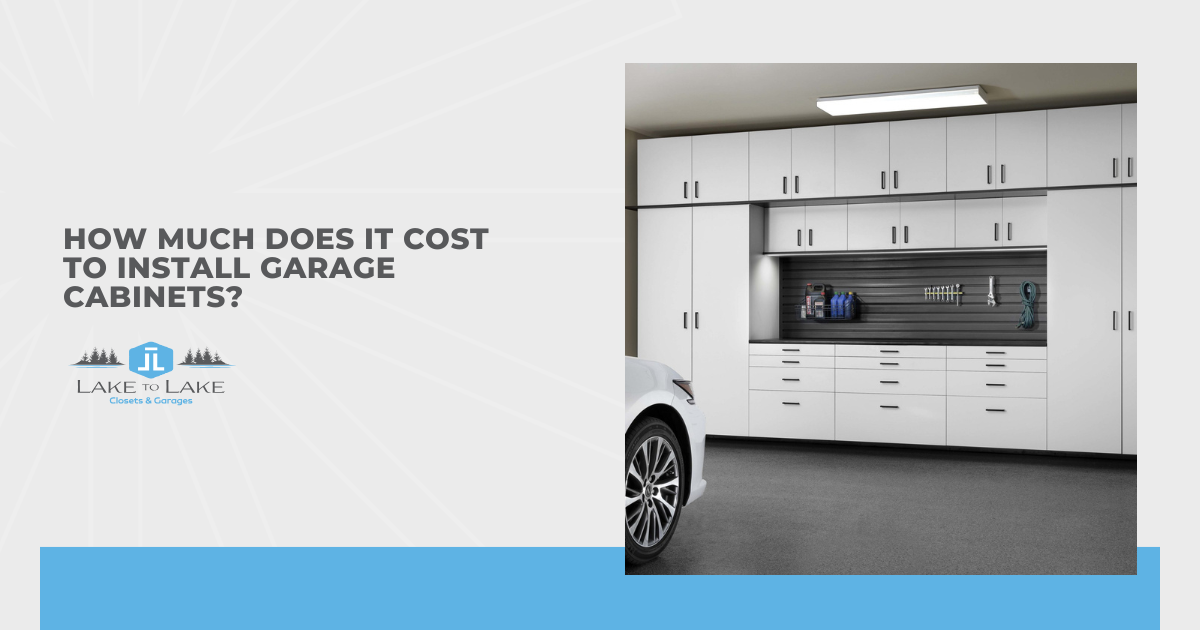
Garage storage can completely change how a home functions, especially when clutter starts taking over valuable space. When I talk with homeowners who want to organize their garage, garage cabinets are usually one of the first solutions we discuss. They offer a practical, built-in way to store tools, seasonal equipment, and everyday items while keeping the garage cleaner and easier to use. At some point in the conversation, the same question almost always comes up: How much does it actually cost to install garage cabinets?
The answer usually isn’t a single number because several factors influence the final price. From my perspective, designing garage storage layouts, garage size, configuration, and storage features all play a role in the overall cost. Some cabinet systems are simple, budget-friendly setups, while others become full-wall storage solutions with added functionality. Once these cost factors are clear, it becomes much easier to plan a garage cabinet project with confidence.
Now let’s take a look at the key cost factors that can influence the price of garage cabinets, from garage size and cabinet layout to cabinet quantity and storage features.
- Size of the garage
- Cabinet configuration and layout
- Cabinet features and storage accessories
- Quantity of cabinets
- Additional storage components
Let’s break down each of these factors so you can better understand what influences the overall cost and what to expect when planning your garage cabinets project.
Size of the Garage
The size of your garage plays a major role in the total cost of installing garage cabinets. Simply put, the larger your garage is, the more cabinets you may need to make full use of the available wall space. As the garage size increases, the number of cabinets, storage sections, and materials needed usually increases too.
If you have a one-car garage, cabinet installations are often more compact and focused on maximizing limited space. You might choose a small set of wall cabinets, a tall storage cabinet, or a short run of base cabinets along one wall. Since the layout is smaller, the overall cost of garage cabinets in a one-car garage typically stays on the lower end.
With a two-car garage, you’ll usually have much more flexibility when planning your cabinet layout. The additional wall space makes it easier to install a mix of upper cabinets, base cabinets, and tall storage units. This larger footprint can increase the overall cost, but it also gives you the opportunity to create a more functional and organized storage setup.
If you’re working with a three-car or oversized garage, cabinet systems can expand into full-wall storage designs. These layouts may include long cabinet runs, multiple tall cabinets, and even a dedicated workbench area. While this type of setup can raise the overall cost, it also provides significantly more storage capacity for tools, equipment, and seasonal items.
Cabinet Configuration and Layout
The way garage cabinets are arranged can change both the function of the space and the overall cost. It’s not just about how many cabinets you install, but also how they’re positioned throughout the garage. When I plan cabinet layouts, I usually look at how the space is used first. That helps determine where storage should go and how much cabinetry makes sense.
For example, some homeowners prefer to concentrate cabinets along a single wall. This keeps most of the storage in one area and leaves the rest of the garage open for parking, projects, or larger equipment. A layout like this tends to be simpler and can help keep the cabinet system more streamlined.
Other garages benefit from spreading cabinets across multiple sections of the room. Storage might be placed near a work area, beside entry doors, or close to frequently used tools and equipment. Organizing cabinets this way can make the garage feel more efficient, but it may also require more cabinetry overall.
In some cases, cabinets are designed to work as part of a larger storage zone that includes workbenches or vertical storage. I like using this approach when the garage doubles as a workspace, because everything stays within easy reach. When cabinets become part of a larger layout like this, the design naturally becomes more customized, which can influence the final cost.
Cabinet Features and Storage Accessories
Beyond the cabinets themselves, the features and accessories you choose can also influence the overall cost. Many garage cabinet systems include optional upgrades that improve organization and make everyday storage more convenient. When I help plan cabinet setups, these features often come up once the basic layout is decided.
- Drawers:
Drawers are useful for organizing smaller tools, hardware, and supplies that might otherwise get lost on shelves. Adding multiple drawer units can increase the cabinet cost, but they make it much easier to keep items sorted and accessible.
- Adjustable Shelving:
Adjustable shelves allow you to change the storage space as your needs evolve. I often suggest this feature because it gives you flexibility to store everything from small toolboxes to larger equipment.
- Soft-Close Hinges and Drawer Slides: Soft-close hardware helps cabinet doors and drawers close smoothly and quietly. It’s a small upgrade, but it adds a more refined feel and can help reduce wear on the cabinet components over time.
- Pull-Out Trays or Sliding Shelves: Pull-out trays make it easier to reach items stored toward the back of cabinets. Instead of digging through shelves, you can slide the tray out and quickly grab what you need.
- Built-In Work Surfaces: Some garage cabinet systems include integrated countertops or work surfaces. These areas can be useful for small repairs, tool maintenance, or organizing equipment during projects.
Choosing the right features often comes down to how you plan to use your garage day-to-day. A few thoughtful storage upgrades can make your garage cabinets feel much more practical and easier to use.
Quantity of Cabinets
The number of garage cabinets included in your project will naturally affect the total cost. More cabinets mean more materials, hardware, and installation time. As you plan your storage system, the quantity often depends on how much wall space you want to dedicate to storage.
Some homeowners prefer a smaller cabinet setup that focuses on essential storage. This might include a few wall cabinets for tools and a base cabinet for frequently used items. A compact setup like this can still improve organization without requiring a large investment.
Others choose to install cabinets across a larger portion of the garage. Adding more cabinets allows you to separate tools, equipment, and household items into designated storage areas. This approach can make the garage feel much more organized while giving everything its own place.
The final cabinet count usually depends on your storage needs and how you use the space day to day. Some garages only require a few cabinets to stay organized, while others benefit from a more complete storage system. Planning the right number of cabinets helps balance functionality, available space, and overall project cost.
Additional Storage Components
In many garages, cabinets are just one part of a larger storage system. Additional storage components can improve organization and make the space easier to use, but they can also influence the overall cost. When planning garage storage layouts, I usually look at whether these extra components would help maximize the available space.
- Garage Shelving: Garage shelving provides open storage for bins, tools, and larger items that don’t always fit inside cabinets. It’s a practical addition that can expand storage capacity while keeping frequently used items easy to reach.
- Overhead Storage Racks: Overhead or ceiling racks store bulky or seasonal items such as storage bins, holiday decorations, or camping gear. They help free up floor and cabinet space, but adding them increases the overall storage system cost.
- Slatwall Panels: Slatwall panels are mounted on the wall and allow you to hang tools, hooks, baskets, and small storage accessories. They’re often installed above tool benches or workbenches so frequently used tools stay visible and easy to reach, and the adjustable hooks allow the storage setup to change as needed.
- Workbenches: A built-in workbench creates a dedicated space for repairs, projects, or organizing tools. When paired with garage cabinets, it can turn one section of the garage into a practical workspace.
Adding a few of these components can help create a more complete garage storage system. They work alongside garage cabinets to keep tools, equipment, and household items organized throughout the space.
Conclusion
Planning a garage cabinet project usually starts with understanding what really drives the cost. From the size of the garage and cabinet layout to the number of units you install, each decision can affect the overall price of garage cabinets. Features like drawers, shelving, cabinet doors, and other add-ons can also increase functionality, depending on how you plan to use the space day to day. As you weigh these factors, it becomes easier to decide what matters most for your garage and your budget. With a well-thought-out plan, garage cabinets can turn a cluttered, hard-to-use space into a clean, organized, and far more practical part of your home.
